IMPACT’25 – How Can We Protect Patients in Times of Global Uncertainty?
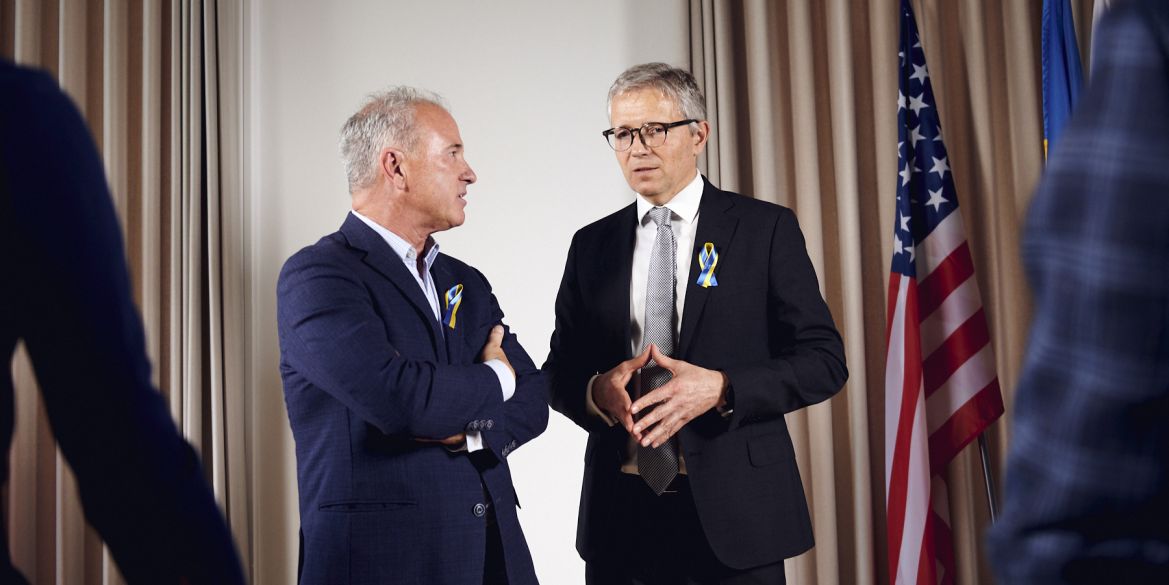
We live in an era in which health security is national security. In today’s world, security "It is not just about military equipment and combat readiness. Security is multidimensional and includes healthcare as a vital pillar," said Mark Brzezinski—former U.S. Ambassador and member of the supervisory board of Pelion S.A., the largest Polish company in the healthcare sector—during the IMPACT’25 event.
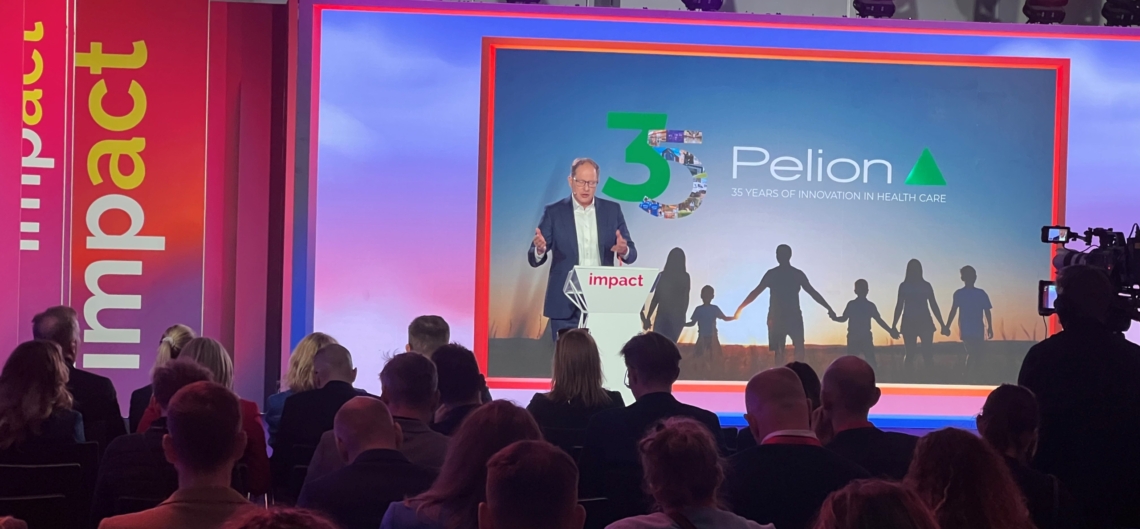
In his presentation titled "A new dimension of safety. How to protect the patient in times of global uncertainty?" Mark Brzezinski pointed out how important uninterrupted access to medicines is for the safety of every citizen—both in times of peace and in times marked by uncertainty.
“Without medicine, people cannot survive. Without vaccines, we cannot control epidemics. A threat to the supply of medicines is as real a danger as a bomb or an earthquake,” he said. Mark Brzezinski and added that Poland has demonstrated a strong commitment to national security. As the European leader in terms of defense spending, it plays a key role within NATO and serves as an example for others.
“Now, with that same mindset, Poland is emerging as a leader in healthcare, driven by forward-thinking companies like Pelion, which has been building a modern patient care system in Poland for 35 years,” he said. Mark Brzezinski– I spent some time at the Pelion warehouse in Łódź—a true masterpiece of logistics. It is nothing short of a marvel: every single minute, thousands of packages containing medicines are prepared and dispatched to patients, pharmacies, and hospitals all across Poland. During the COVID-19 pandemic, the company played a pivotal role in the large-scale distribution of vaccines; their swift action ensured that these life-saving doses reached millions of people. Furthermore, when the Polish people mobilized to support Ukrainian refugees, Pelion helped launch an initiative to provide them with free prescription medications—ranging from treatments for diabetes and cancer to essential supplies like infant formula. These are prime examples of the strategic role Pelion plays in safeguarding not only the health but also the security of the Polish people.
At the same time, the former ambassador pointed out that ensuring health security for the Polish people, as well as developing medical care, requires proven partnerships.
“Real progress in this field depends on collaboration. When the public and private sectors join forces—when government, industry leaders, and healthcare partners come together—they pave the way for constructive progress,” he says. Mark BrzezinskiThe healthcare sector in Poland stands on the threshold of major, positive changes. These changes are necessary to enable drones to deliver medication directly to patients' doorsteps—effectively bringing the pharmacy to the patient’s home. This is already a reality in Finland, and it is also possible in Sweden, where Pelion is currently testing home delivery of medicines. Through digitalization—an area in which Pelion is a leader—it is now possible to access state-of-the-art medical consultations, as well as the fastest-ever ordering and home delivery of pharmaceuticals. As you can see, the future of healthcare is unfolding right now, and the Polish company Pelion is helping to make that future a reality.
“For 35 years, the patient has been our top priority; their needs drive our actions, the innovations we introduce, and our commitment to the highest quality of healthcare,” he says. Jacek Szwajcowski, CEO of Pelion S.A. – Our operations constitute a critical link, and our facilities—including the largest pharmaceutical warehouse in Poland (located in Łódź), which is also one of the largest in Central Europe—serve as strategic infrastructure essential for ensuring the safety of millions of Poles. We deliver medicines to patients, pharmacies, and every hospital in Poland.
In times of global uncertainty, it is worth considering the journey a medicine takes from the manufacturer to the patient, and recognizing that pharmaceutical wholesalers serve as a vital link in the pharmaceutical sector. Although they remain invisible from the patient’s perspective, they act as a pillar for the availability of medicines and must be resilient in the face of crisis situations.
“Why shouldn’t nationwide pharmaceutical wholesalers and retail entities be included in the National Critical Infrastructure Protection Program—a government initiative aimed at safeguarding the most vital systems and assets in Poland?” he asked during IMPACT’25. Mark Brzezinski.
Including pharmaceutical wholesalers in a state protection program for cases of disaster or wartime conflict would, for example, help ensure the continuity of electricity and fuel supplies, the retention of staff, and the availability of communication channels.
“This security guarantee is extremely important—not only in times of peace, but above all in times of global uncertainty,” he adds. Jacek Szwajcowski– In times of both military and climate-related crises, the importance of maintaining a continuous supply of medicines, wholesale stock, and efficient pharmaceutical distribution becomes even greater. Medicines must always reach the patient on time; this is the foundation of their sense of security. For 35 years, Pelion has successfully fulfilled this mission, safeguarding both the quality and the length of people's lives.